Top Online Personal Budgeting Tools for Better Money Management with Effective Budgeting Tools
Taking control of your money starts with knowing where it goes. You don’t have to guess or stress about your finances anymore. With the right tools, you can build better money habits, reduce financial stress, and make a clear plan that works for you. This guide walks you through some of the best effective budgeting tools to help you manage your money smarter and easier.
Why You Need Effective Budgeting Tools
Budgeting is more than just tracking expenses. It’s about telling your money where to go so you can reach your goals. When you use effective budgeting tools, you get a clear picture of your spending, savings, and debts. This clarity helps you make smarter choices every day.
Here’s what good budgeting tools do for you:
Stop guessing where your money went by automatically tracking your spending.
Make a plan that fits your lifestyle and goals.
Build better money habits by setting limits and reminders.
Reduce financial stress by organizing your bills and payments.
Take control of your finances with easy-to-understand reports.
Using these tools regularly helps you see progress, even if it’s small. Remember, small changes create big results.
Top Effective Budgeting Tools to Try Today
There are many budgeting tools out there, but the best ones focus on simplicity and results. Here are some effective budgeting tools that can help you take charge of your money:
1. Budget Trackers with Automatic Sync
These tools connect to your bank accounts and credit cards to track your spending automatically. You don’t have to enter every expense manually. This saves time and reduces errors.
How it helps: You get real-time updates on your spending and can spot problem areas quickly.
Example: You notice you’re spending too much on dining out and decide to cut back.
2. Envelope Budgeting Apps
This method divides your money into categories or “envelopes” for things like groceries, rent, and entertainment. Once an envelope is empty, you stop spending in that category.
How it helps: It keeps your spending in check and prevents overspending.
Example: You allocate $200 for entertainment each month. When it’s gone, you pause entertainment expenses.
3. Goal-Oriented Budgeting Tools
These tools help you set specific financial goals like paying off debt, saving for a trip, or building an emergency fund. They track your progress and motivate you to stay on track.
How it helps: You stay focused on what matters most and celebrate milestones.
Example: You set a goal to save $1,000 in 6 months and get reminders to contribute regularly.
4. Simple Spreadsheet Templates
If you prefer a hands-on approach, spreadsheets can be a great way to customize your budget. Many free templates are available online, designed for easy use.
How it helps: You control every detail and can adjust categories as needed.
Example: You create a monthly budget that includes all your income and expenses, updating it weekly.
5. Bill Reminder and Organizer Tools
Missing payments can cause stress and fees. These tools remind you when bills are due and help you organize payment schedules.
How it helps: You avoid late fees and keep your credit score healthy.
Example: You get a notification a few days before your rent is due, so you never miss a payment.

How to Choose the Right Budgeting Tool for You
Not every tool fits everyone. The best budgeting tool is the one you will actually use. Here’s how to pick the right one:
Consider your tech comfort level: If you like apps, try automatic trackers. If you prefer simplicity, spreadsheets might work better.
Think about your goals: Do you want to save more, reduce debt, or just track spending? Choose a tool that supports your main goal.
Look for ease of use: The tool should be simple and quick to update. If it feels like a chore, you won’t stick with it.
Check for security: Make sure your financial data is safe, especially if you connect bank accounts.
Try free versions first: Many tools offer free trials or basic plans. Test a few before committing.
Using online personal budgeting tools can make this process easier and more effective.
Tips to Get the Most Out of Your Budgeting Tool
Once you pick a tool, here are some tips to help you succeed:
Set realistic budgets: Don’t cut your spending too much at once. Start with small, manageable limits.
Update regularly: Check your budget daily or weekly to stay on track.
Review and adjust: Life changes, and so should your budget. Adjust categories and goals as needed.
Celebrate progress: Every time you hit a goal or save money, acknowledge it. This keeps you motivated.
Use alerts and reminders: Let the tool help you remember bills and budget limits.
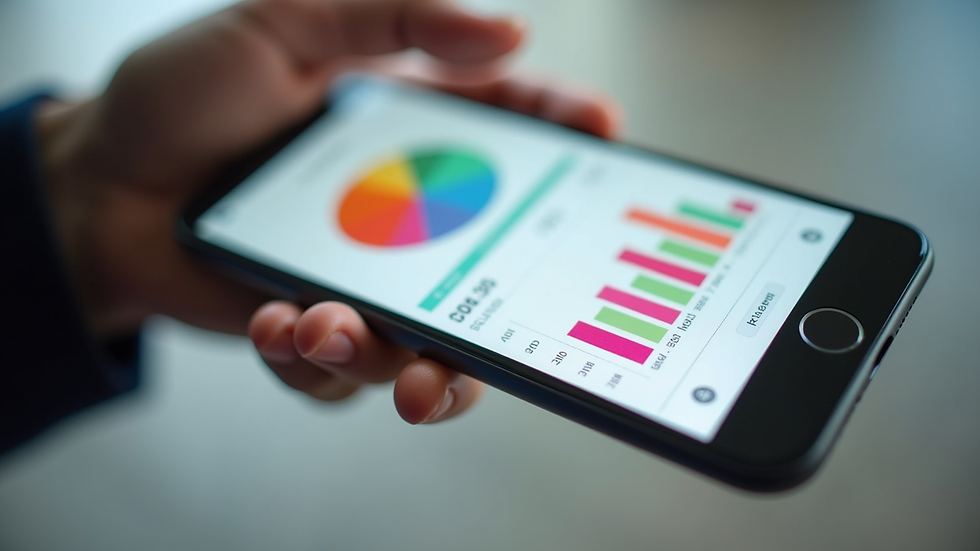
Building Better Money Habits with Budgeting Tools
Budgeting tools are not just about numbers. They help you build habits that last a lifetime. When you use these tools consistently, you learn to:
Be mindful of your spending: You start asking yourself if a purchase fits your budget.
Plan for the future: You save for emergencies and goals instead of spending impulsively.
Reduce money stress: Knowing your finances are organized gives you peace of mind.
Stay accountable: You track your progress and adjust when needed.
Remember, budgeting is a journey. It’s okay to make mistakes. What matters is that you keep moving forward and improving your money habits.
Take the First Step Today
You don’t have to wait for the perfect moment to start budgeting. Pick one of these effective budgeting tools and begin today. The sooner you start, the sooner you’ll feel the relief of having a clear money plan.
Take control of your finances. Stop wondering where your money went. Make a plan that works for you and watch how small changes create big results.
Your financial clarity and peace of mind are just a few clicks away.


Comments